How Busy Moms Can Raise Confident Leaders From an Early Age
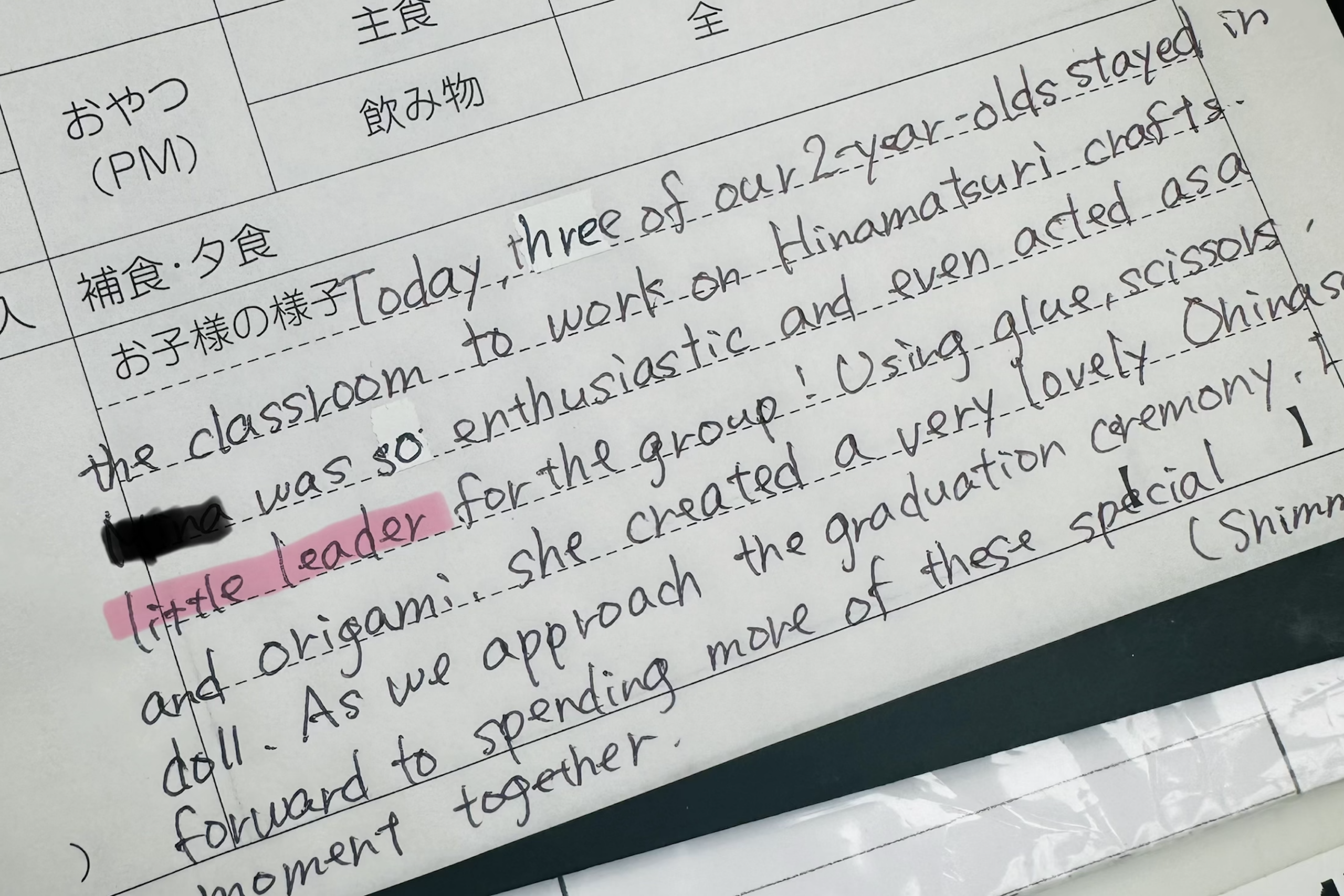
Just as I was getting ready to share with you a post from Gwen of invisiblemoms.com about how to raise your kids to become confident leaders, I received this little note about Baby, my third daughter, from her Kindergarten. I love learning from other moms and hope that you will enjoy Gwen’s post as much as I did.
Working mothers balancing deadlines, daycare pickups, and the mental load often worry that there isn’t enough time left to shape more than basic behavior. That pressure can make early childhood leadership development feel like an extra project, rather than part of everyday parenting. Yet children’s leadership skills begin forming in the small moments when kids practice confidence, decision-making, and follow-through. With the right parenting strategies for leadership, fostering leadership in kids can fit into real life without adding more strain.
Quick Summary: Raising Confident Young Leaders
- Model confident leadership by demonstrating problem-solving, respectful communication, and accountability in everyday moments.
- Give age-appropriate responsibilities so children practice ownership, follow-through, and decision-making.
- Offer choices and encourage independence to build confidence without adding extra time to your day.
- Create simple leadership moments through daily routines and activities, using real-life situations as practice.
- Reinforce effort and growth with specific encouragement that helps children see themselves as capable leaders.
Model Leadership and Explore Structured Learning Paths
Kids learn leadership less from what we tell them and more from what they watch us do, especially in the rushed, everyday moments. Use the same “time-smart” approaches you’re already practicing (quick check-ins, clear choices, small responsibilities) and pair them with simple, structured learning options as your child grows.
- Lead out loud in small moments: Narrate your decision-making in one or two sentences so your child hears the process, not just the rule. Try: “We’re leaving in 10 minutes, so we’re choosing the faster dinner tonight, your job is to pick the veggie.” This models prioritizing, calm communication, and follow-through without adding time to your day.
- Give one leadership role per day (with a clear finish line): Assign a tiny “owner” task that supports your family’s routine, like “snack manager,” “music DJ for cleanup,” or “travel checklist captain.” Keep it specific: what success looks like, when it’s due, and what happens if it’s missed. This builds responsibility without turning into power struggles.
- Practice confident communication with a 2-step script: Teach your child to say what they need and suggest a solution: “I feel ___; I need ___; can we ___?” Use it in real life, ordering food, asking a teacher for help, or resolving sibling conflict. You’re training a leadership language they’ll use later in group projects, sports, and jobs.
- Make networking a family skill: Once a week, help your child build one relationship on purpose, thanking a coach, asking a librarian for a book recommendation, or writing a quick note to a family friend about their job. Leadership grows through people skills, and building relationships with other leaders is a practical way to expand confidence and opportunity over time.
- Use structured learning to “stack” skills (not pressure): If your child loves a topic, add a light structure: a short course, club, mentor, or tutoring focused on one gap. When kids have the right support, progress comes faster, and the leadership lesson is powerful: smart leaders ask for expert help.
- Connect school choices to real pathways, without rushing childhood: For older kids/teens, talk about how a structured education can build leadership: a bachelor of science can strengthen research, teamwork, and problem-solving; accelerated degree pathways can fit motivated learners who want clear milestones. If they’re drawn to tech, highlight computer science leadership skills like breaking big problems into steps, collaborating on projects, and presenting solutions, skills that translate to leading teams in any field.
When you model calm leadership at home and add just enough structure to grow skills, your child learns that confidence isn’t a personality trait, it’s a set of practices you repeat until they feel natural.
Leadership-Building Habits for Busy Family Weeks
Start with habits that run on autopilot.
These tiny routines turn everyday parenting, work transitions, and family travel into consistent leadership practice. When you repeat them, your child learns independence without you adding another “project” to your calendar.
Three-Question Dinner Debrief
- What it is: Ask “What went well, what was hard, what will you try?”
- How often: 3 nights per week
- Why it helps: Reflection builds self-awareness and a steady confidence loop.
One-Minute Plan, One-Minute Review
- What it is: Make a micro-plan before school, then review after pickup.
- How often: Daily
- Why it helps: Kids practice goal-setting and accountability without overwhelm.
Pack and Lead Check
- What it is: Use a kid-owned packing list for school bags or travel.
- How often: Daily on school days, plus before trips
- Why it helps: Ownership reduces last-minute stress and builds reliability.
Two Choices, One Decision
- What it is: Offer two acceptable options and let your child decide.
- How often: Daily
- Why it helps: Decision reps build confidence and reduce arguing.
Growth Path Friday
- What it is: Celebrate one skill “level-up” and set next week’s mini goal.
- How often: Weekly
- Why it helps: Clear development paths matter because 71% of leaders consider moving organizations.
Pick one habit, try it for seven days, and tweak it to fit your family rhythm.
A Simple Rhythm for Growing Leadership Over Time
As your routines start to stick, use this workflow to steadily increase responsibility without adding more mental load. It helps working moms connect parenting, career pacing, and travel logistics into one consistent leadership pathway, so your child practices initiative in small, safe steps. Over time, those “tiny reps” can add up to meaningful skills, and some sources link leadership experience with better long-term outcomes.
| Stage | Action | Goal |
| Notice the moment | Spot one recurring friction point today | Choose a real-life skill to practice |
| Assign a micro-lead | Give one clear role with a simple boundary | Child owns a manageable decision |
| Support with a cue | Add a checklist, timer, or two-choice prompt | Independence without repeated reminders |
| Run the rep | Let them do it, intervene only for safety | Practice leadership under light pressure |
| Debrief and name wins | Ask what worked, what changed, what to try | Confidence grows through reflection |
| Level up weekly | Add one small stretch responsibility | Progress stays gradual and sustainable |
This sequence keeps responsibility moving forward while your time stays protected. The debrief turns mistakes into data, and the weekly level-up prevents the routine from going stale.
Start small, stay consistent, and let growth compound.
Sustaining Confidence to Raise Kids Who Lead Over Time
Between work demands and family needs, it’s easy to wonder how to build leadership without adding another thing to your plate. The steady rhythm of small responsibilities, clear expectations, and ongoing parental encouragement keeps sustained leadership development realistic, even on busy weeks. When this becomes part of everyday life, children practice decision-making, recover from mistakes faster, and grow confidence in leadership fostering that lasts beyond one “good phase.” Consistent small chances to build confident leaders over time. Choose one age-appropriate responsibility to repeat this week and notice what your child does with that trust. These long-term parenting goals matter because they strengthen resilience, connection, and readiness for leadership achievement in children.
Picture: Momma Globy